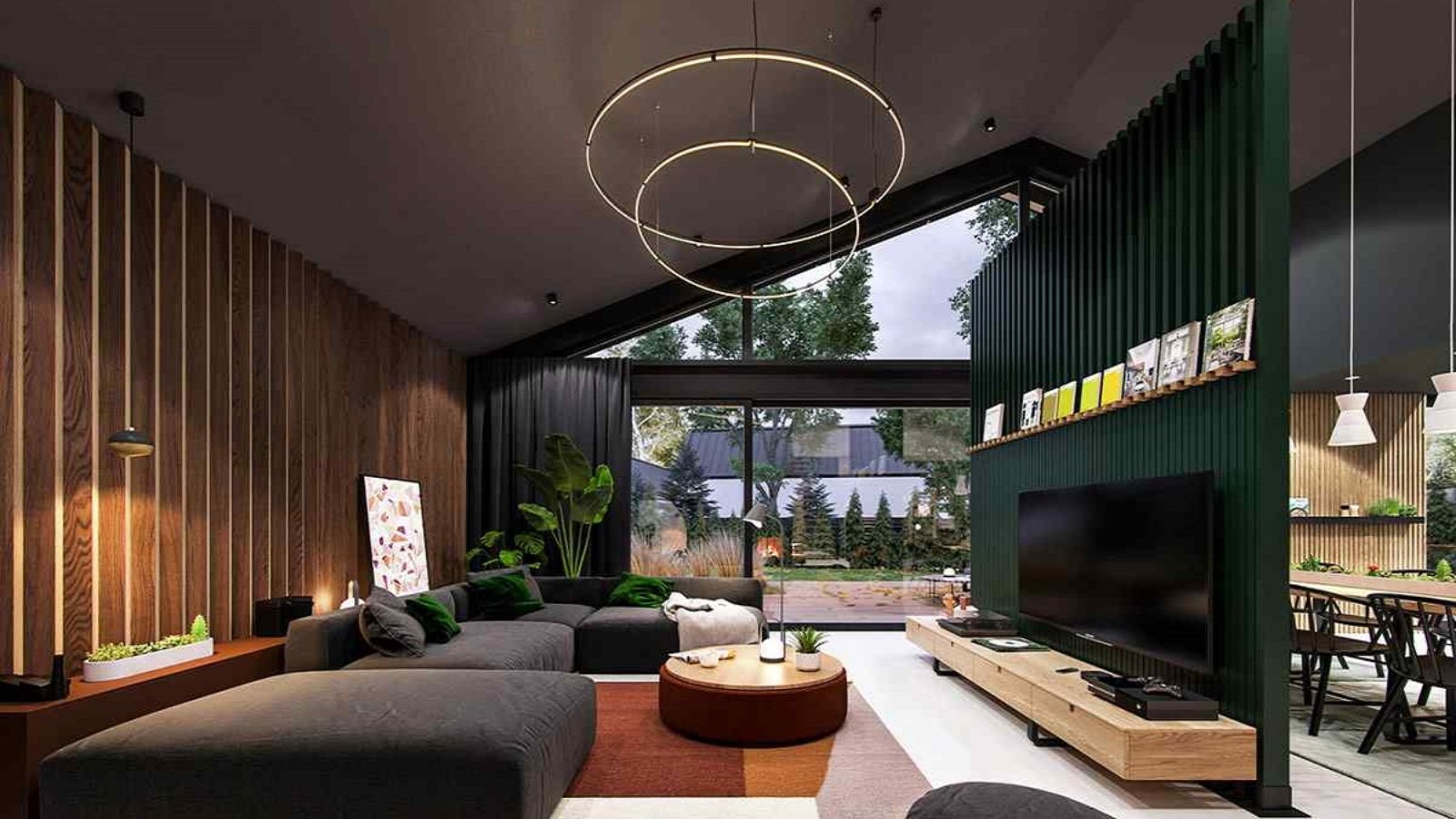
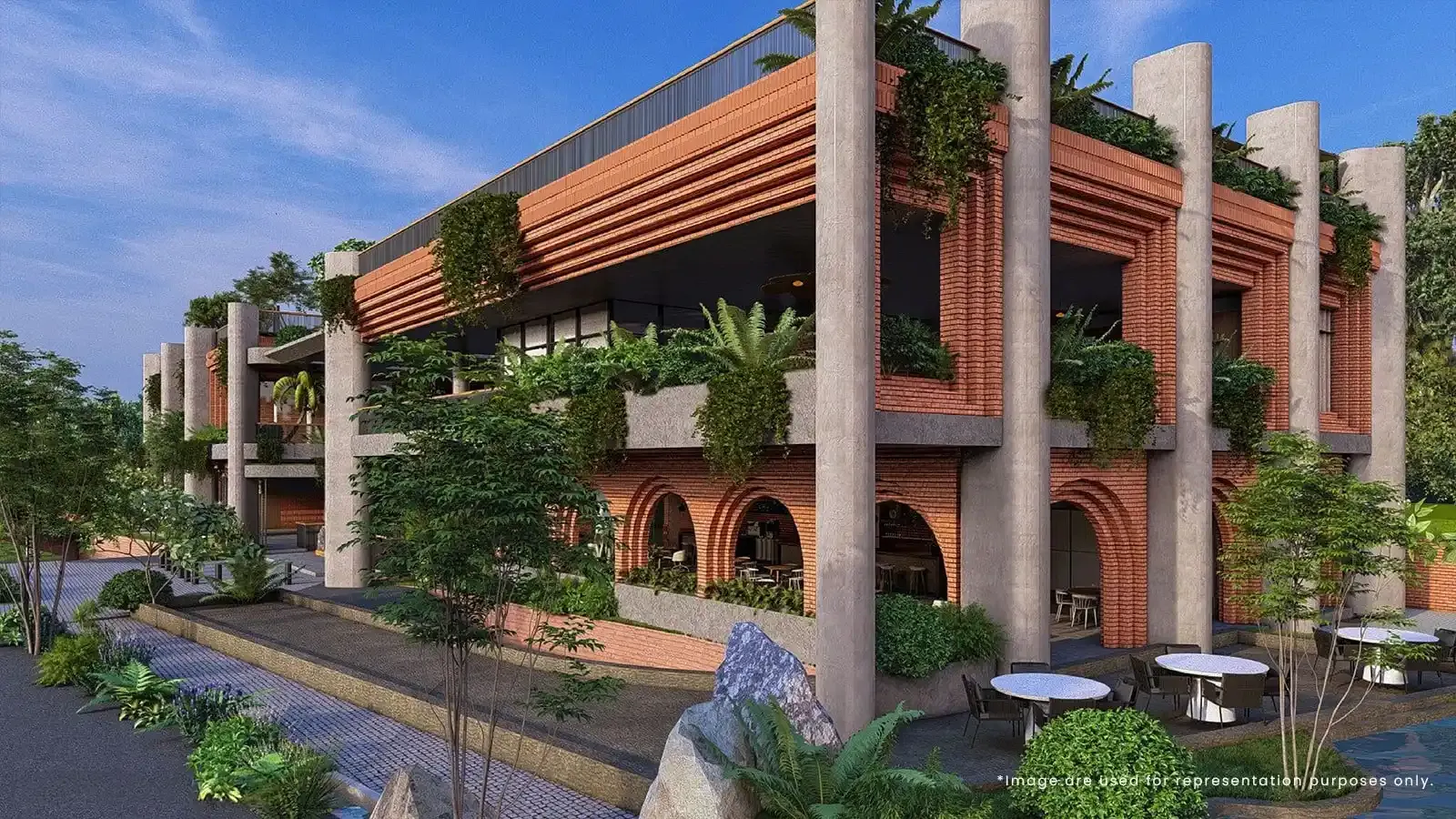
Most residential projects borrow a design language; a few are built on a genuine idea. White Lotus Amanvana belongs to the second group. The community is shaped by Amanvana Karang Jalananda design philosophy — a Balinese principle that has guided every major decision in the masterplan, from where water flows to how a bedroom meets its garden. To understand the project is to understand this idea first, because everything else follows from it.
What Karang Jalananda Means
Karang Jalananda joins two ideas. Karang Awak speaks to personal space — the sense of a private, protected realm that belongs wholly to its owner. Jalananda speaks to the joy and flow of water — movement, sound and life carried through a place. Held together, they describe a home that is at once a sanctuary and a living, breathing landscape. This is the heart of Amanvana Home of Sanctuaries: not a style applied to the surface, but a philosophy that decides how the Amanvana villas sit in their gardens, catch the light and meet the water around them.
How the Philosophy Becomes Architecture
The principle is visible everywhere once you know to look for it. Water is treated as a living element rather than a decorative one, with streams and lagoons threaded through the masterplan so that movement and reflection are part of daily life. Personal space is protected through deliberate planning choices:
- Expansive lawns and private decks that give each home its own outdoor room
- Internal gardens that draw greenery and light into the heart of the villa
- Staggered clustering of two to three homes, so neighbours share landscape, not sightlines
- A continuous green spine that links private retreats to shared, restorative spaces
Roughly 70 per cent of the land is held as open space, which is what allows the philosophy to be more than a slogan. Vastu-centric planning shapes the orientation and flow of each home, so the sense of calm is structural rather than styled. Among the White Lotus Amanvana villas, this is the thread that ties the architecture, the landscape and the water together into one coherent experience.
Why a Design Idea Matters to a Buyer
A philosophy is not an abstraction when it changes how a home feels to live in. A design rooted in personal space and the flow of water tends to age well, because it is built around human comfort rather than passing fashion — the quiet of a protected garden, the cooling presence of water, the daily pleasure of light moving through a room. It also gives the community a coherence that piecemeal developments lack, where every villa, path and water body belongs to a single intention.
| Principle | Expression at Amanvana |
|---|---|
| Karang Awak (personal space) | Private lawns, decks, internal gardens, cluster privacy |
| Jalananda (flow of water) | Streams and lagoons threaded through the plan |
| Open space | ~70% of the land kept green and open |
| Harmony | Vastu-centric planning across every home |
There is a sensory dimension to all of this that a floor plan cannot quite capture. A design built around water and greenery changes the small moments of a day — the sound of a stream on a warm afternoon, the cool of a shaded courtyard, the way morning light falls through an internal garden into a living room. Balinese design has long understood that wellbeing is shaped as much by these everyday sensations as by square footage, and that understanding runs through the community. Rather than maximising built form, the plan deliberately leaves room for nature to do its quiet work, so that coming home feels less like entering a building and more like arriving at a retreat.
For a buyer, that coherence is also a quiet form of value protection: a home conceived around an enduring idea tends to hold its appeal long after trend-led projects have dated. The Amanvana Karang Jalananda design philosophy is, ultimately, the project’s signature — the reason these homes feel less like houses in a row and more like sanctuaries set within a single, considered landscape. It is the rare case where the marketing name and the lived reality point to the same thing, because the idea came first and the architecture followed, and that order of priorities is what gives the whole community its rare sense of intention.